
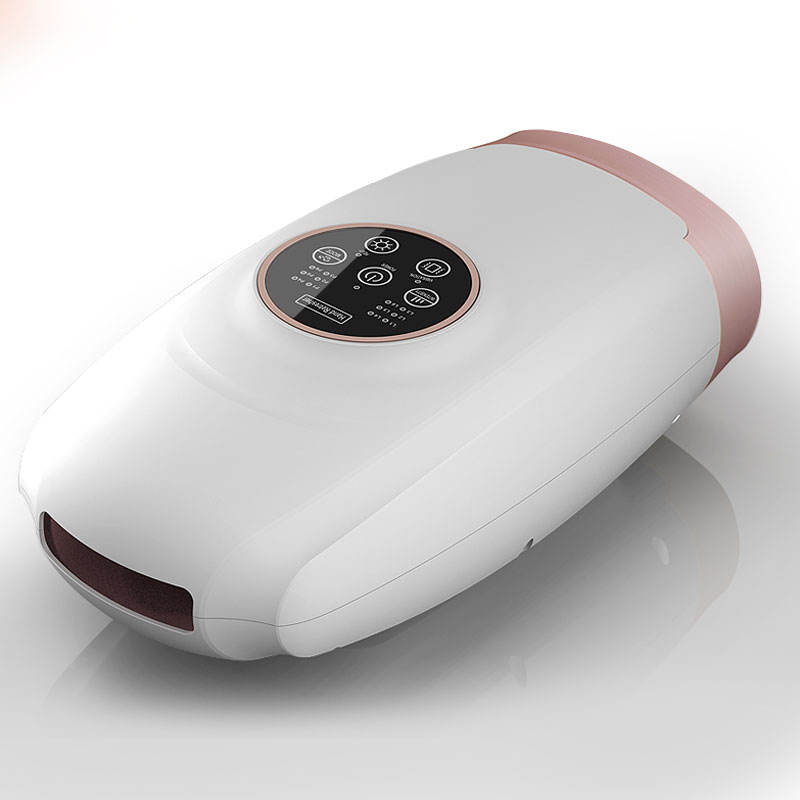
H1:Hand Massager Sample Inspection Checklist for Bulk Buyers
A useful hand massager sample inspection produces a written record of what was tested, under which settings, and whether it met the agreed requirement. Check the supplied model and accessories first, then evaluate fit, controls, massage operation, heating where fitted, charging and packaging. Keep the approved sample with the specification that will govern the bulk order.
This checklist is designed for commercial sample evaluation. It helps buyers compare products and communicate defects. Formal electrical, battery and market-specific compliance testing requires the appropriate test methods and qualified facilities.
Figure 1. Identify the sample, test its operation and record the approval basis.
Identify the sample before switching it on
Record the model number, sample date, configuration and any serial or batch identifier. Photograph the sample, label, accessories and retail box. Compare what arrived with the sample order, especially the charging cable, adapter if included, manual language and packaging version.
For a branded project, identify whether this is a functional sample or a final approval sample. A standard sample can help you evaluate the mechanism, but it does not confirm the appearance or durability of a logo that has not yet been applied.
The five-model comparison guide provides a starting specification reference for HT-1802, WY-HM08, WY-HM10, WY-HN052 and WY-15008.
Check fit and contact surfaces
Follow the product instructions when evaluating hand insertion, removal and positioning. Use a suitable range of intended user hand sizes and record the measurements used. Observe whether the hand is correctly positioned, whether any edge or seam presses uncomfortably, and whether the user can reach the controls and stop the session.
Inspect the liner, seams and contact surfaces for loose threads, damage or inconsistent assembly. Confirm the permitted cleaning method in the manual. Do not infer that a fabric liner is removable or washable from its appearance. For a glove-style sample such as HT-1802, pay particular attention to how the product is fitted and secured.
Figure 2. Evaluate the actual fit and control access of the supplied sample.
Test each mode and intensity setting
Operate each available mode and intensity level according to the instructions. Record the sequence, changes between settings and any unexpected pauses or sounds. Check that button labels and indicators agree with the manual. Test normal stop behavior and any documented pressure-release function; do not invent an emergency-release feature in your retail copy.
WY-HM10 lists six intensity settings, while WY-HN052 lists three modes and six pressure levels. These are separate functions to record. A mode may change the sequence of compression without increasing peak pressure. Where pressure is a purchasing requirement, agree an instrumented method and limits with the supplier rather than assigning a subjective score as a technical measurement.
Evaluate heating with recorded conditions
For a heated hand massager, record the selected heat level, room conditions, test duration and measurement positions. Ask the supplier to identify the intended heating locations and a suitable measurement method. Compare the behavior of the supplied sample against the agreed specification, including the stated control tolerance.
WY-HN052 lists 40°C and 44°C heat settings. Those values do not establish the temperature at every point on the user's hand or product surface. Do not substitute a feeling of warmth for a measured result or treat a setting value as a universal safety threshold. Any formal temperature or protection test should use an appropriate documented procedure.
Separate session timing from battery runtime
Check session duration against the confirmed model specification. HT-1802 and WY-HM10 list 15-minute sessions. For models with less complete timing information, request the operating instructions before deciding what constitutes a pass.
For battery evaluation, record the charging source, charge completion indication, selected functions and cycle pattern. Heating and intensity settings can affect energy use, so use consistent conditions when comparing samples. Stop using a sample that shows abnormal behavior and report it to the supplier; commercial buyers should not perform improvised battery-abuse tests.
Use one inspection record for each model
| Check item | Evidence to record | Acceptance basis |
|---|---|---|
| Identity and accessories | Model, version, labels and accessory photos | Sample order and configuration sheet |
| Fit and finish | Hand measurements, seam and edge observations | Agreed fit requirements and reference sample |
| Controls and modes | Setting-by-setting results or video | Approved manual and control specification |
| Heating where fitted | Positions, conditions and measured results | Agreed temperature method and limits |
| Timing and charging | Cycle duration and charging observations | Confirmed model specification |
| Runtime where relevant | Functions used and completed operating cycles | Agreed runtime protocol |
| Packaging | Dimensions, gross weight and condition | Approved packaging specification |
Add the inspector, date, result, defect photograph reference and requested corrective action to each record. Mark an item “not evaluated” if the test has not been performed. An unchecked field should never be treated as a pass.
Agree how the approved sample controls the order
Create a dated approval record that identifies the sample and the final specification revision. Include the accepted logo, materials, accessories, manual and packaging. Record any unresolved item and the evidence required to close it before production approval.
Sample acceptance and bulk inspection serve different purposes. Ask how the factory will control consistency during production and what shipment inspection will be used. Agree the defect definitions, sampling arrangement and disposition of rejected goods in writing. This article does not assume that a particular sampling plan or defect limit applies to every order.
Read the supplier audit checklist to connect product evaluation with production controls and batch traceability.
Questions buyers ask during sampling
Is one good sample enough to approve a bulk order
A sample establishes a reference for the agreed configuration. Ask for production controls and the inspection arrangement that will check the goods supplied under the order. Keep both the physical reference and the written requirements.
Can the same checklist cover all five models
Yes, the inspection categories can be shared, but the expected settings and limits must match each model. Mark absent or unconfirmed features correctly rather than copying results from another product.
What if the sample differs from the product photographs
Identify the difference and ask which version will be supplied. Resolve it in the specification and update the website assets before placing or marketing the order.
Request samples for your buying brief
Tell Relanovo the models you want to test, your market and the features you need to evaluate. Request the current specification and a sample quotation, then use this checklist to give clear feedback.